
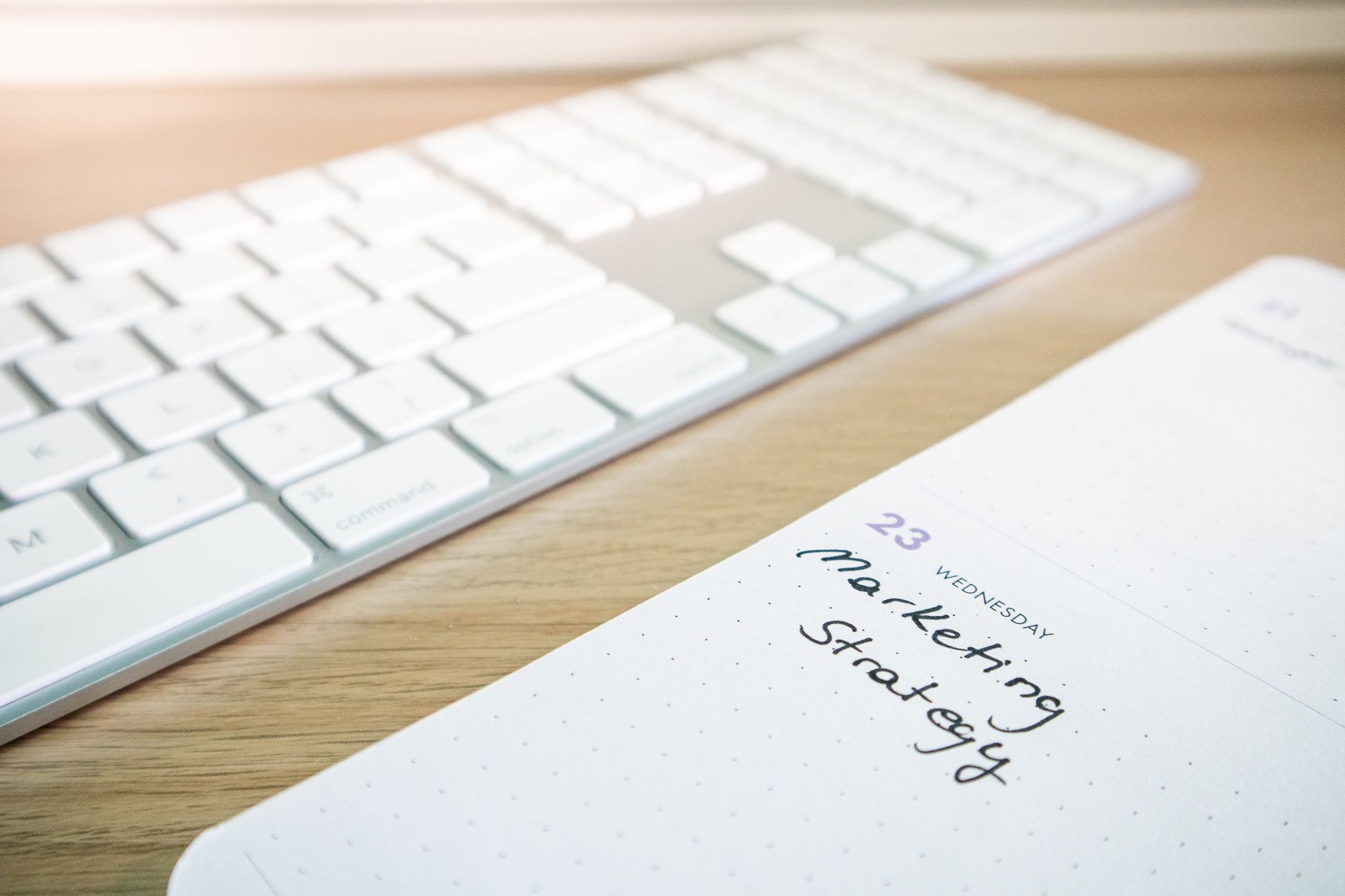
A single storm can strike your marketing strategy like a bolt of lightning, leaving a trail of devastation that lasts for months. It’s a scenario that plays out all too often in the world of digital marketing, where one small misstep can have far-reaching consequences. Consider the recent weather advisory news updates that have left some businesses scrambling to recover. What if that storm was a social media meltdown, a SEO blunder, or a branding misfire? The effects can be catastrophic, with some businesses never fully recovering. For marketers, the stakes are high, and the pressure to perform is relentless. With so much at stake, it’s no wonder that even the smallest misstep can become a months-long mess. But what happens when a momentary mishap becomes a prolonged crisis? How do you rebuild your marketing strategy from the ground up, and what are the key factors that can help you weather the tempest? These are the questions we’ll be exploring in this article, as we delve into the world of marketing crises and the strategies for recovery.”
The Perfect Storm of Disaster
The Perfect Storm of Disaster
A single storm can upend an entire marketing strategy, causing ripples that last for months to come. This phenomenon is not unique to the digital world, but its impact is felt more intensely in the fast-paced realm of digital marketing.
As we’ve seen in recent years, a single event can send shockwaves through the marketing community. The COVID-19 pandemic, for instance, forced marketers to pivot their strategies overnight, adapting to a new reality where consumers were increasingly turning to online channels for information and entertainment.
Marketers must be prepared for the unexpected, whether it’s a global pandemic, a sudden change in consumer behavior, or a major shift in the digital landscape. By being agile and adaptable, marketers can weather the storm and emerge stronger on the other side.
One way to mitigate the impact of a single storm is to focus on building a robust marketing strategy that can withstand external disruptions. This includes diversifying your marketing channels, developing a contingency plan, and staying attuned to changes in consumer behavior.
In the next section, we’ll explore the importance of having a flexible marketing strategy and how it can help you navigate the unexpected twists and turns of the digital world.
When a Momentary Mishap Becomes a Months-Long Mess
When a disaster strikes, whether it’s a hurricane, wildfire, or even a sudden power outage, a single storm can have far-reaching consequences for a business’s marketing strategy. In fact, 63% of companies report that a significant weather event can impact their operations for several weeks or even months. This can be attributed to the ripple effects on supply chains, employee availability, and customer behavior. For instance, a retailer might need to close stores, suspend online orders, or even cancel marketing campaigns due to logistical constraints.
The aftermath of a major storm can be overwhelming, but it’s essential to remember that the consequences can be unpredictable and long-lasting. In addition to the immediate impact on operations, a storm can also lead to changes in consumer behavior, such as a shift to more cautious spending or a reduced willingness to engage with brands. Companies that fail to adapt to these changes risk being left behind, while those that pivot quickly can capitalize on the opportunity to connect with customers in new and innovative ways. As the dust settles, businesses must reassess their marketing strategies and prioritize flexibility and resilience in the face of uncertainty.
Social Media Meltdowns and the 24-Hour News Cycle
As social media meltdowns become increasingly common, the 24-hour news cycle plays a significant role in exacerbating the situation. The instant gratification of online platforms and the proliferation of smartphones have created an environment where information can spread like wildfire. This has made it challenging for brands to maintain a consistent message and avoid potential backlash. The weather advisory news updates Navigating the Complex World of global business investments is a prime example of how swiftly information can travel.
The Myth vs Fact section highlights the common misconception that social media meltdowns are a rare occurrence. In reality, social media crises can happen to anyone, and the aftermath can be far-reaching. For instance, a single tweet can spark a movement that snowballs into a full-blown crisis. The consequences can be severe, with some brands facing significant financial losses and reputational damage.
The fact is that social media meltdowns are often the result of a combination of factors, including poor crisis management, inadequate employee training, and a lack of clear communication. When a brand fails to respond promptly and effectively to a crisis, it can lead to a downward spiral of negative publicity and public trust issues. By understanding the risks and taking proactive steps to mitigate them, brands can minimize the impact of social media meltdowns and maintain a strong online presence.
The Domino Effect: How One Crisis Affects Your Entire Brand
When a single storm hits, the entire marketing strategy can be turned upside down, leaving a trail of damaged brand reputation and lost revenue. The impact is far-reaching, with one crisis affecting the entire brand, from social media to search engine optimization, and everything in between.
The Intersection of Art and Art and Politics: A Canvas of Change highlights the delicate balance between creativity and crisis management. In the world of marketing, a single misstep can have catastrophic consequences, leading to a chain reaction of events that can take months to recover from.
The impact of a single storm on a brand’s marketing strategy can be devastating, with long-term consequences extending beyond the initial crisis. It’s essential to have a clear understanding of the potential risks and trade-offs involved in marketing, and to be proactive in mitigating them.
By being prepared for the unexpected, you can minimize the damage and prevent a single crisis from upending your entire marketing strategy. This requires a combination of creativity, resilience, and a clear understanding of the complex interplay between marketing and crisis management.
Weathering the Tempest: Rebuilding Your Marketing Strategy from the Ground Up
Weathering the Tempest: Rebuilding Your Marketing Strategy from the Ground Up can be a daunting task, especially when faced with the aftermath of a major storm. Effective strategies require flexibility and adaptability, but even the most well-planned plans can falter in the face of unexpected events. For instance, a recent analysis of global weather advisory news updates revealed that natural disasters can lead to significant delays in supply chain logistics, impacting product delivery and customer satisfaction.
Moreover, rebuilding your marketing strategy from the ground up can also pose significant risks to brand consistency and customer loyalty. As businesses scramble to adjust to new circumstances, they may inadvertently create confusion among their target audience, leading to a loss of trust and brand recognition. To mitigate these risks, it’s crucial to develop a flexible and agile marketing strategy that can adapt to changing circumstances, while maintaining consistency and cohesion across all marketing channels.
Rebuilding on Solid Ground
As the dust settles on the marketing storm that threatened to upend your entire strategy, it’s clear that prevention is the best defense. Every brand is vulnerable to the unpredictable nature of a single storm – whether it’s a social media mishap, a supply chain disruption, or a viral controversy. The key is to have a flexible marketing strategy that can weather the tempest and quickly adapt to new circumstances. By establishing a robust crisis management plan and a public relations team that’s prepared to respond rapidly and empathetically, brands can minimize the damage and maintain a reputation that’s unshakeable. As we’ve seen, the 24-hour news cycle can amplify a crisis to catastrophic proportions in mere minutes. But with a solid foundation, you can shift your focus from firefighting to rebuilding – and emerge stronger, wiser, and more resilient than ever. What will you do when the next storm hits?
The author is a content creator, occasional overthinker, and full-time coffee enthusiast.
For more insights on this topic, you might find Başlangıç Seviyesinde İşletmelerin En Fazla Kullandığı particularly informative.
Readers interested in this subject may also want to explore Can a Single Social Media Miscalculation for additional perspectives.