
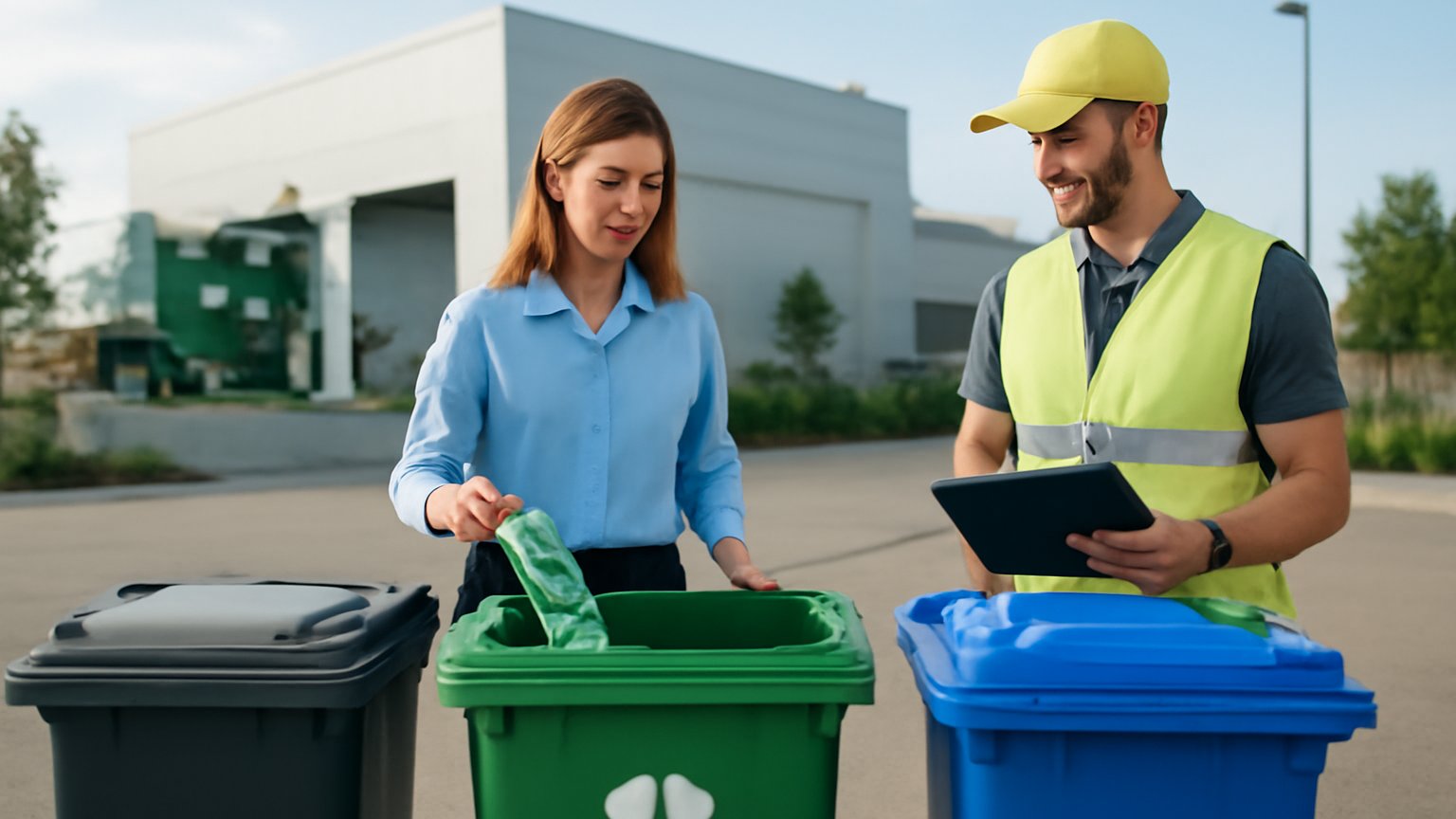
In towns and cities across the globe, waste isn’t just garbage—it’s an untapped opportunity waiting for the right spark. Local communities are beginning to rethink their relationship with trash, transforming what was once overlooked into a powerful force for sustainability and economic growth. How are they doing this? The answer lies in innovative marketing strategies that turn recycling and waste management into engaging, actionable movements. Digital tools, community-driven campaigns, and clever branding are not just buzzwords—they’re the engines driving change on the ground.
Take, for example, the evolving scene in smaller municipalities where traditional methods are no longer enough. Residents want to make a difference but often lack the inspiration or information to get started. This is where storytelling and online engagement play pivotal roles in rallying communities, creating a shared sense of purpose. For those curious about real-world success stories and up-to-the-minute developments, sources like Crawley latest news updates today provide a window into how local initiatives gain momentum.
This article explores how cutting-edge marketing—fueled by technology, branding, and community empowerment—is revolutionizing waste management. From turning trash into treasure to measuring impact, the evolving strategies offer fresh hope for sustainable futures right where people live and work.
From Trash to Treasure: How Local Marketing Fuels Community Recycling Initiatives
Local marketing strategies are proving to be powerful tools in turning waste management challenges into community-driven opportunities. By positioning recycling not just as an environmental duty but as a shared community value, marketers are reshaping public perceptions. Clever branding and targeted digital campaigns tap into the pride people have for their neighborhoods, encouraging them to participate actively in recycling initiatives. It’s no longer just about disposing of waste responsibly—the message is evolving into making waste management a visible, positive part of everyday local life.
Social media platforms, in particular, have become hotspots for these campaigns, allowing for real-time engagement and community storytelling. Eye-catching visuals, community spotlights, and hashtag challenges fuel momentum and awareness. The result? Higher participation rates and a genuine sense of collective accomplishment, which traditional top-down approaches rarely achieve. The numbers back it up:
Beyond social channels, SEO and local search optimization have been essential to making recycling programs easily discoverable online. When residents look for ways to recycle or dispose of items, well-crafted content and localized keyword strategies ensure community programs appear front and center. This digital visibility strengthens ongoing efforts by connecting residents directly with resources, schedules, and success stories, proving that good marketing can elevate even the most practical community services. For a closer look at local successes, see Crawley waste management news, where community marketing innovation is already making waves.
Tech Meets Trash: The Role of Digital Tools in Revolutionizing Waste Management
Digital tools are steadily reshaping waste management in local communities, turning what was once considered a logistical nightmare into a streamlined, data-driven process. The integration of smart sensors, GPS tracking, and AI-powered analytics is enabling waste collection services to optimize routes, reduce fuel consumption, and respond dynamically to actual demand rather than relying on fixed schedules. This technology not only slashes operational costs but also significantly cuts down the carbon footprint associated with traditional waste collection methods.
Social media platforms and SEO-driven content marketing play a surprisingly pivotal role in community engagement around waste initiatives. By crafting targeted campaigns that educate and encourage residents to recycle or compost, municipal waste managers are harnessing digital marketing strategies to boost participation rates. Moreover, branding efforts that position waste management programs as modern, eco-conscious services help dispel old stigmas and motivate community members to embrace new habits. From localized hashtags to video storytelling, digital marketing techniques are creating an emotional connection that traditional outreach methods often miss.
Branding Sustainability: Crafting Compelling Campaigns That Inspire Action
In today’s digital age, sustainability isn’t just a buzzword—it’s a brand pillar that resonates deeply with consumers. Local waste management initiatives have increasingly realized the power of compelling storytelling combined with authentic branding to drive community involvement and behavioral change. Crafting campaigns that highlight not only the environmental impact but also the social and economic benefits creates a more relatable and motivating narrative. For example, integrating data visualization and user-generated content across social media platforms helps amplify messages in a way that feels personal and urgent. This approach turns passive observers into active participants.
Effective campaigns often hinge on transparency and continual engagement. A shining example of this is seen in recent efforts documented in Crawley, where community updates and progress reports shared in real time foster trust and enthusiasm. For those interested in the latest breakthroughs and community reactions, Crawley waste management news offers a close-up perspective on these evolving strategies. Digital marketers leveraging SEO and targeted social media ads ensure these stories reach audiences beyond immediate geographic confines, creating a ripple effect that inspires action on a broader scale.
Answer: Local communities can harness branding by developing transparent and emotionally engaging campaigns that illustrate tangible benefits, encourage social sharing, and create a sense of shared responsibility. Utilizing digital marketing tools like SEO and social media targeting further expands reach and impact.
Ultimately, sustainability branding is about building an ongoing relationship with the audience—one that evolves and deepens over time. Campaigns that are adaptive and receptive to community feedback tend to nurture long-term commitment, turning waste management from a chore into a shared cause. Local groups willing to innovate in their messaging and embrace digital marketing’s connective power stand to make the biggest strides in transforming behaviors and neighborhoods alike.
Community Champions: Empowering Residents to Take Ownership of Waste Solutions
Local communities are increasingly recognizing that the best waste management strategies emerge when residents become more than passive participants—they become champions. Empowering individuals to take ownership of waste solutions inspires a collective responsibility that fuels lasting change. This approach fosters grassroots engagement through transparent communication and interactive platforms, driving awareness and participation in recycling initiatives and composting programs alike. Engaging community members also opens doors to innovative ideas rooted in local realities, which traditional top-down methods often overlook.
Digital marketing and social media play pivotal roles in transforming waste habits by amplifying these community voices. Leveraging targeted campaigns and storytelling, local authorities and environmental groups nurture a culture where people feel personally invested. Here, lessons can be drawn from other sectors—how emerging tech innovations have reshaped services beyond waste, such as healthcare in small cities, exemplified by how emerging tech is revolutionizing their effectiveness. Similarly, community-centric waste programs can harness digital tools to improve transparency, progress tracking, and real-time feedback.
- Step 1: Identify motivated local leaders or influencers to initiate waste programs.
- Step 2: Utilize social media and local events to spread awareness and gather community input.
- Step 3: Implement pilot projects that encourage hands-on resident participation.
- Step 4: Collect feedback, celebrate successes publicly, and adjust tactics accordingly.
By nurturing this cycle of engagement and adaptation, communities transform from mere consumers of waste management services into active collaborators. This shift not only improves diversion rates and reduces landfill burden but strengthens community bonds. For those tracking local innovations, detailed updates can be found in the ongoing Crawley waste management news, a resource that highlights how digital marketing strategies are woven into environmental progress at the grassroots level.
Measuring Impact: Tracking Success and Scaling Innovative Waste Strategies
Tracking the success of innovative waste management strategies is essential for local communities eager to prove their value and attract further investment or support. Metrics such as waste diversion rates, cost savings, community participation levels, and social impact tell the story beyond raw numbers. Additionally, digital marketing tools play a pivotal role here — SEO-driven analytics and social media engagement data help quantify awareness and behavioral shifts among residents. A deep dive into real-time data tracking allows marketers and community leaders to refine campaigns and prioritize initiatives that resonate most effectively with their audience.
Scaling these waste strategies requires more than just replicating programs; it involves crafting compelling stories that amplify success across channels and foster trust. For example, examining cases like how local schools are transforming waste practices can provide valuable insights and inspiration for other institutions and neighborhoods. These narratives fuel social proof — an indispensable asset for digital marketing campaigns aimed at mobilizing wider audiences. Furthermore, branding plays a critical role: communities that position themselves as champions of environmental stewardship often secure stronger partnerships, sponsorships, and community buy-in, unlocking long-term sustainability.
Rethinking Waste, Reinventing Communities
Innovative waste management strategies are no longer optional—they’re becoming a defining feature of vibrant, sustainable communities. From grassroots marketing that turns recycling into a shared local culture, to digital tools making waste tracking easier and more transparent, these approaches highlight that effective waste solutions are as much about people as technology. Branding sustainability isn’t just about catchy slogans; it builds emotional connections that inspire genuine behavior change.
Above all, empowering residents to take ownership creates a network of community champions whose influence multiplies beyond any top-down directive. Measuring the impact ensures that these efforts don’t just fizzle out but grow stronger, adaptable for other communities to adopt. While each element—marketing, technology, engagement, measurement—plays its part, the true transformation happens when they come together, creating a feedback loop of innovation and accountability.
As these innovative strategies continue to reshape how local communities handle waste, one question remains: how far can we push this momentum to redefine what “waste” really means? The answer isn’t just in better bins or smarter apps; it lies in the collective will to view waste as an opportunity—an untapped resource waiting to be unlocked. For ongoing insights, stay connected with the latest in Crawley waste management news.
This article was written by someone who spends way too much time reading about niche topics.
Readers interested in this subject may also want to explore Inside Crawley FC: Today's Crucial Developments for additional perspectives.
You may also find Pazarlamada Günlük Trendleri Yakalamanın 7 Etkili helpful as it covers related aspects of this subject.
For a deeper understanding of this topic, Pazarlama Dünyasında Son Gelişmeler: Bu Hafta offers valuable insights worth exploring.