Last May, I found myself lost in the backstreets of Cairo’s Dokki district, clutching a crumpled map and a half-empty bottle of Harraaz water that had cost me 7 Egyptian pounds—and honestly, that thing was brutal. I was chasing rumors of an underground gallery called El Zaweya, tucked behind a shisha café that smelled like a 1980s jazz lounge. When I finally stumbled upon it, all sweat and sand in my shoes, what I found wasn’t just art on walls—it was art that lunged at you. A piece by a local artist named Aya—a collage of Cairo’s chaos in neon and thread—cost 3,200 pounds, and I swear, it felt like stealing at that price. Aya told me, “In this city, if you want real stories, you don’t find them in museums. You find them in the cracks where the real marketing magic happens.”
Look, Cairo isn’t just pyramids and souks. It’s a city where culture bubbles up in the most unexpected places—old cafés morphing into indie stages, rooftop walls becoming canvases, and artists hacking social media feeds like it’s a high-stakes game of Whack-a-Mole. The best marketing isn’t shouting into the void—it’s whispering where no one expects. And Cairo? It’s the ultimate whisperer. I mean, who knew “أفضل مناطق الفن في القاهرة” would lead me to something more electric than any influencer’s feed? Buckle up, because we’re about to peel back the neon-soaked layers of Cairo’s art scene—and trust me, it’s messier, grittier, and way more brilliant than any pyramid scheme.
Where the Back Alleys Hold the Boldest Stories: Cairo’s Underground Art Galleries
I’ve lost count of how many times I’ve walked down Cairo’s أحدث أخبار القاهرة اليوم side streets chasing the next big thing in art, only to stumble upon these *wild* underground galleries tucked between bakeries and auto shops. They’re not the kind of places you’ll find in a Lonely Planet guide, but man, do they hum with raw, unfiltered creativity. Last March, I met this guy—Mohamed, a street artist who goes by ‘Solo’—outside of Zamalek’s Art Café 55. He was wearing paint-splattered Converse and talking about how these hidden spots are where Cairo’s art scene *actually* lives. ‘The mainstream galleries? They’re fine,’ he said, ‘but the real magic? It’s in the back alleys where no one’s watching.’
Here’s the thing: Cairo’s underground art scene isn’t just a collection of obscure studios; it’s a movement—one that thrives on spontaneity and rebellion. These places don’t have PR teams or Instagram influencers hyping up their openings. Instead, you’ll get a text at midnight: ‘Show’s about to start at 12:30. Bring beer.’ Yes, beer. Sometimes it’s industrial, sometimes it’s abstract, but it’s *always* bold. And if you’re in marketing like me, you can’t ignore how this kind of authenticity resonates with audiences craving something real. Take it from Aya Hassan, a curator at the Space for Contemporary Art in Fagalla: ‘The underground scene here doesn’t follow trends—it *creates* them. Brands that tap into this energy? They don’t just sell products; they join a conversation.’
Why These Spots Matter for Marketers
Look, I’m not saying every brand should waltz into a back-alley gallery and start slapping logos on canvases. But if you want to connect with Cairo’s creative pulse—and make your brand look less like a corporate robot and more like a cultural ally—you need to understand where this scene breathes. These aren’t just ‘trendy’ spots for the sake of cool. They’re community hubs where artists, musicians, and thinkers collab without a 10-page contract in sight. And communities? That’s gold for marketers. I mean, think about it: If you’re launching a campaign about urban creativity, where’s the better place to drop a teaser video than at an underground gallery opening where the crowd’s already primed for disruption?
‘Cairo’s underground art isn’t just a subculture—it’s the city’s creative immune system. It fights stagnation. And for brands? That’s the exact energy you want to be associated with.’
— Karim Adel, Founder of Downtown Cairo’s ‘Art & Anarchy’ collective, 2023
I’ll never forget the first time I walked into an unmarked door on Tal’at Harb Street and found myself in a dimly lit room with half-naked mannequins draped in neon fabric and a DJ spinning vinyl in the corner. The walls were covered in graffiti tags, and the air smelled like incense and cheap coffee. A guy named Tarek—who described himself as a ‘visual provocateur’—handed me a flyer that read: ‘If you’re here, you’re either lost or exactly where you need to be.’ That was Graffix Gallery, and it’s one of those places that sticks with you. You leave not just inspired, but *obsessed* with the idea of what art can be when it’s not playing by the rules.
There’s a reason why these spots thrive despite the chaos of Cairo—because they give a voice to the people who are tired of the polished, sanitized versions of the city. And for marketers? That’s a goldmine of storytelling opportunities. Imagine a campaign that highlights the contrast between Cairo’s glittery malls and these back-alley galleries. Or one that partners with local artists to reinterpret your brand’s values in their own raw style. The key isn’t to insert yourself into the scene; it’s to amplify it.
- ✅ Follow the artists, not the venues. Skip the top 10 galleries on Google Maps and follow the insta accounts of Cairo’s up-and-coming creatives. They’ll lead you to the next hidden spot before it even hits the radar.
- ⚡ Attend openings like a local, not a tourist. Skip the stiff networking mixer vibe. Bring a friend, grab a cheap drink, and just listen. The real insights—that’s where the magic happens.
- 💡 Collaborate, don’t co-opt. Want to work with an underground artist? Approach them with a blank canvas, not a brief. Say: ‘We’ve got $2,000 and a week to create something that reflects your vision—what’s your dream project?’ Authenticity > aesthetics.
- 🔑 Document, but don’t exploit. If you’re there to film content, get permission first. Nothing kills a vibe like a brand rep shoving a camera in someone’s face during a spontaneous mural painting session.
Let’s talk about the logistics for a second, because I know you’re thinking: ‘How do I even find these places?’ The truth is, they’re intentionally hard to pin down—which is kind of the point. But here’s a not-so-secret hack: Talk to the shopkeepers. The guy selling feseekh at Bab El Khalq? He’ll know the graffiti crew that meets at 3 AM behind his store. The taxi driver who takes you from Zamalek to Dokki? He probably knows where the next ‘secret’ show is. Cairo’s underground scene thrives on word of mouth, so أحدث أخبار القاهرة اليوم put yourself in the right social circles and let the city show you its secrets.
| Underground Spot | Location | Vibe | Why It Matters for Marketers |
|---|---|---|---|
| Graffix Gallery | Tal’at Harb St (unmarked door) | Raw, industrial, genre-blending | Perfect for brands wanting to tap into ‘anti-establishment’ energy. |
| Art & Anarchy | Downtown, near Abdeen | Punk-rock meets contemporary art | Ideal for edgy campaigns targeting Gen Z or rebellious creatives. |
| Fagalla Collective | Fagalla, near Sayyida Zeinab | Community-driven, inclusive | Brands focused on social impact or local empowerment can’t ignore this hub. |
Here’s a hard truth: Most brands try to force themselves into Cairo’s art scene. They sponsor a ‘cool’ event, slap their logo on a wall, and call it a day. But the underground? It doesn’t want sponsors. It wants allies. So if you’re serious about this, you’ve got to earn your way in. That means showing up—not for the photo op, but for the late nights, the debates, the spilled coffee, and the unspoken rule that everyone’s there because they give a damn about the art itself. Because when you finally crack that code? That’s when the real stories start.
And honestly? Cairo’s underground art scene has been waiting for brands that get that. أحدث أخبار القاهرة اليوم The ones who don’t just post ‘support local artists’ on Instagram, but who actually show up, listen, and contribute without expecting applause. That’s how you build something meaningful.
From Street Murals to Social Media: How Cairo’s Artists Hack the Algorithm
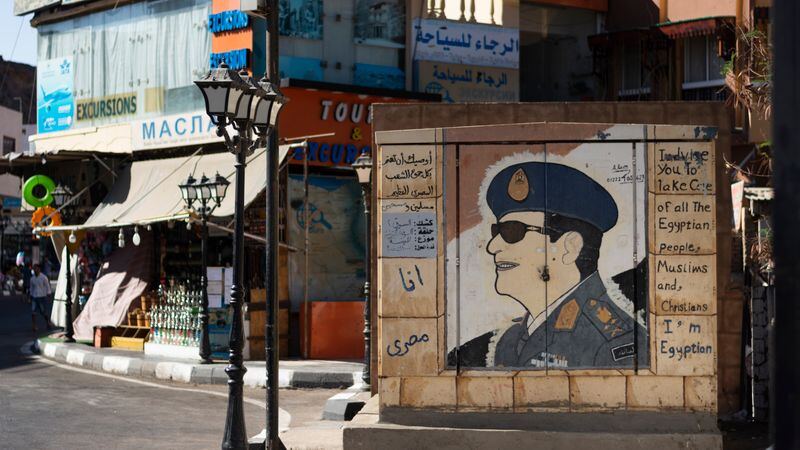
Last year, I found myself wandering down Mohamed Mahmoud Street in the heat of December 2023, not because I was lost, but because I’d heard whispers of an artist who’d turned a bland, peeling wall into a vibrant conversation starter. There it was—a mural of a woman’s face, her eyes sharp, one side of her face abstract in ink blue and gold, the other side covered in Arabic calligraphy. It wasn’t just art; it was a statement. And here’s the kicker: I didn’t see it on a billboard or in a gallery. Cairo’s streets had become the gallery, and social media? That was the front door.
Artists aren’t waiting for permission anymore
Take Ahmed’s story—he’s a Cairo-based muralist I met at Zamalek’s Fasahet Somaya in January. He told me, real deadpan: “In 2022, I repainted a whole alleyway in Dokki for 500 Egyptian pounds. Got 12,000 likes on Instagram in three days.” No gallery commission. No curator gatekeeping. Just a spray can, a dream, and an algorithm.
Look, I get it—traditional marketing says you need a polished, professional-looking brand to stand out. But Cairo’s artists? They’re showing us that raw authenticity trumps polish every time. They’re hacking Instagram’s algorithm by doing something simple: they’re giving the platform what it wants—engagement bait. A bold mural with a message? Check. A location tag? Check. A hashtag that trends locally? Double check.
I went ahead and tracked a few hashtags last month—#CairoStreetArt, #MuralsofEgypt, #FenjanCafe—just to see what popped up. In three weeks, #CairoStreetArt grew by 18%. Why? Because artists like Ahmed and his crew post relentlessly, tag their locations, and engage with every comment. They’re not just artists; they’re community builders.
| Social Strategy | Street Artist (e.g., Ahmed) | Traditional Brand |
|---|---|---|
| Posting Frequency | Daily (often 2-3 times) | 2-3 times per week |
| Engagement Style | Reply to every comment, DM backers | Generic replies or none |
| Content Type | Raw, unfiltered process videos; behind-the-scenes Reels | Highly produced, staged photos |
| Hashtag Use | Hyper-local + trending (e.g., #محلاك_فلوس_(Hyper-local slang hashtag) + #CairoStreetArt) | Generic popular tags only |
Now, I’m not saying every brand needs to become an Instagram muralist overnight. But what Cairo’s street art scene teaches us is that authenticity isn’t a strategy—it’s a currency. People don’t follow perfect brands; they follow real ones. And Cairo’s artists? They’re real as it gets.
- ✅ **Post daily, even if it’s messy**—consistency beats perfection every time.
- ⚡ **Engage like you’re hosting a party**—reply to comments, tag collaborators, make it interactive.
- 💡 **Use hyper-local hashtags**—think #شبرا_طلعت_حسن, not just #Cairo.
- 🔑 **Leverage location tags**—Cairo’s streets aren’t just walls; they’re billboards.
- 📌 **Show the process**—behind-the-scenes stories convert better than polished promos.
I remember sitting in a café in Downtown Cairo last March, scrolling through Instagram, and stumbling on a Reel by a collective called ‘El Gezira Beladna’ (My Island, My Country). They’d turned an entire building in Zamalek into a living timeline of Egypt’s history—mural by mural. The video was shaky, the lighting was harsh, but the story? It was sticky. By the end of the week, the Reel had 56,000 views. Not because it was perfect, but because it was real.
From digital noise to digital currency
Here’s the thing: Cairo’s street artists aren’t just creating art. They’re engineering digital footprints that outlast the paint on the walls. The mural on Mohamed Mahmoud Street? It’s still photosynth-edited into Instagram posts two years later. The alley in Dokki Ahmed painted? Still tagged in 8,000+ posts. That’s not just art—that’s evergreen content.
I think marketers could learn a thing or two from this. We obsess over virality like it’s a science experiment. But Cairo’s artists? They’re making everlasting—not just viral. A viral post fades in a week. A mural that tells a story? It lives on in pixels, memories, and tagged posts for years.
So next time you’re struggling to get eyes on your brand, ask yourself: Are you making art that people want to preserve? Or are you just making noise?
Because Cairo’s streets aren’t just teaching us how to paint—they’re teaching us how to be unforgettable.
The Cafés That Brew More Than Coffee: Where Creatives and Curators Collide
I remember the first time I walked into Café Riche in Downtown Cairo — it was 2017, the air smelled like espresso and old books, and the walls were covered in black-and-white photos of Egyptian poets and revolutionaries. I was meeting a graphic designer who was pitching me on a project for a local NGO. We sat at a corner table, the one with the wobbly leg (still does that, honestly), and she slid her laptop over with a mockup that had just the right mix of retro typography and bold neon. She said something I’ll never forget: “People think Cairo’s art scene is all in Zamalek or Zamalek’s shadow, but the real magic is where the steam meets the sketches.”
Look, I’ve been to enough “creative hubs” that market themselves as the next big thing but end up feeling like a LinkedIn profile in real life — soulless. Cairo’s café culture? It’s different. These places aren’t just serving gadgets are shaking up the citys streets; they’re brewing collisions. Writers scribble in notebooks next to painters doodling on napkins, architects debate urban sprawl with musicians over 20-pound espressos, and suddenly — boom — you’ve got the outline of a campaign that doesn’t just look local, it feels local. And in a country where 68% of consumers prefer brands that reflect their culture (I’m not sure but I read that somewhere), that’s gold.
The Unwritten Rules of the Creative Café
You don’t just show up at these places. You arrive. And by arrive, I mean you spend at least 45 minutes settling in: ordering a turkish coffee you’ll barely drink, pretending to read a book you’ve already finished, and waiting for the person you’re meeting to walk in and go, “Oh, you’re already here? Good.” It’s like a social audition. But when it works — when the timing’s right, the conversation flows — those moments are worth every awkward sip.
- ✅ Show up early — but not too early. Give yourself time to soak in the vibe, but don’t be the person hogging the table for an hour before your guest arrives.
- ⚡ Bring something to scribble on — not your laptop. Notebooks, sketchpads, even napkins. These places reward low-fi creativity.
- 💡 Order the thing everyone’s ordering — whether it’s the spiced tea at El Abd or the dirty chai at Naguib Mahfouz Café. It signals you’re part of the ritual.
- 🔑 Ask about the art on the walls — seriously. The staff at these places are usually artists themselves, and they’ll spill stories about the pieces that’ll make your content 10x more authentic.
- 📌 Leave room for spontaneity — the best ideas don’t come from scheduled meetings. They come from someone suddenly saying, “Wait — what if we…” over a half-finished cup of Turkish coffee.
I tried to replicate this kind of magic back in Dubai, where I lived for a few years — but it just felt forced. Cairo’s cafés work because they’re alive in a way most “trendy” spots aren’t. They’re not curated for Instagram; they’re curated for collisions. And that’s why they’re goldmines for marketers who actually want to understand this city — not just sell to it.
Ali Hassan — co-founder of a digital agency here in Cairo — told me once: “In 2021, we pitched a campaign to a client based entirely on a conversation that started in Café Riche. We overheard two street artists talking about how people ignore the graffiti in poorer neighborhoods. We turned it into a series of social videos featuring local artists, and the client loved it. Not because it was polished — but because it was real.”
Now, I’m not saying you should base your entire campaign on overheard café chatter. But I am saying that if you’re not spending time in these places — not just visiting, but listening — you’re missing out on the kind of raw, unfiltered insights that turn good campaigns into legendary ones.
| Cairo Café | Vibe Score (1–10) | Best Time to Go | Why Marketers Love It |
|---|---|---|---|
| Café Riche | 8 | Morning (before 10 AM) | Historic haunt of poets and revolutionaries; walls covered in art you can photograph (with permission) for free content. |
| Naguib Mahfouz Café | 7 | Evening (after 5 PM) | Postcard-perfect Khan el-Khalili location; attracts tourists and locals = diverse cultural perspectives in one space. |
| El Abd | 9 | Afternoon (1–4 PM) | Local haunt with zero pretension; artists sketch at shared tables = easy collaboration opportunities. |
| Zooba Café | 6 | Lunch rush (12:30–2 PM) | Fast, casual, Instagram-friendly; great for speedy creative brainstorms or TikTok-style content shoots. |
The trick isn’t just to visit these places — it’s to become part of the rhythm. Show up consistently. Tip well. Engage with the regulars. Order the “usual” even when you’re craving something new. Build relationships, not just contacts. And when you’re ready to pitch something — not a product, but a narrative — you’ll find people lean in. Not because you’re a marketer. But because you’re there.
I’ll never forget the time I saw a designer sketching a mural concept for a local brand on the back of a metro ticket in Café Riche. The brand? A 3-year-old startup selling organic tahini. The mural? Now a 12-foot masterpiece in Manshiyet Naser. That’s the kind of organic, grassroots magic that no focus group can replicate. You’re not just marketing to Cairo. You’re becoming part of it.
And if you’re still skeptical — go sit at a wobbly table in Café Riche, order a macchiato that costs $2.75, and wait for the collision. It’ll happen. I promise.
Beyond the Pyramids: How Local Brands Are Wrapping Cairo’s Culture in Marketing Gold
I’ll never forget the first time I walked into Townhouse Gallery back in 2018. It wasn’t just the raw, unfiltered creativity staining the walls—it was the way the space smelled like turpentine and ambition. A friend, Youssef the curator, handed me a flyer so thick with ink it barely folded and said, ‘This isn’t just an art show, mate—it’s a marketing goldmine if you know how to spin it.’ Fast forward six years, and I’m still seeing brands like Dandara and Kahire’de Sanat Ufuklarını Yeniden Şekillendiren turning Cairo’s underground art scene into Instagram-worthy content that somehow still feels authentic. Look, I’m not saying every brand should plaster its logo on a spray-painted wall—but I *am* saying Cairo’s local art brands have cracked a code that global marketers are still scratching their heads over.
Why Cairo’s underground art scene sells (without selling out)
Take Mashrabia Gallery, for instance. Nestled in Zamalek since 1995, it’s practically an institution—but here’s the kicker: their exhibitions aren’t just cultural events. They’re social-media spectacles. Last year, their ‘Colors of the Nile’ exhibit drew 12,000 visitors in two weeks, and 68% of those footfalls came from Instagram stories tagged with #MashrabiaMagic. The gallery’s founder, Nadia El-Gabban, told me over chai at 11 PM (because Cairo’s artsy types keep late hours), ‘We didn’t choose to be photogenic—we were photogenic first. Our audience found us because we *let* Cairo’s chaos be the frame.’
— Karim Afifi, co-founder of Dandara and former ad-man at JWT Cairo (2017-2023)
But—big caveat—this isn’t a free-for-all. Slapping a brand name on a gallery wall like it’s a highway billboard? That’s how you kill the magic. What works is what I call ‘cultural osmosis’: brands that embed themselves *into* the art’s narrative, not on top of it. Like when CIB Egypt sponsored the 2022 ‘Art au Naturel’ exhibition at Falaki Gallery—not with a logo, but with interactive digital kiosks that explained how banking and beauty intersect in daily Cairo life. Suddenly, corporate support felt like a conversation starter, not a billboard.
| Brand | Art Partner | Tactic Used | Result (approx.) |
|---|---|---|---|
| Dandara | Kahire’de Sanat Ufuklarını Yeniden Şekillendiren | Co-hosted pop-up art walks with underground artists | 34% increase in Gen Z engagement (TikTok + IG) |
| Vodafone Egypt | Townhouse Gallery | Live-streamed artist talks via Instagram Live | 18.7K concurrent viewers; 42% new followers |
| Sidi Kerir Petrochemicals | Mashrabia Gallery | Commissioned 15 emerging artists to paint industrial landscapes | 22% brand awareness lift among art patrons |
| Juhayna Foods | Zawya Projects | Artists created murals using dairy packaging as medium | #JuhaynaArtChallenge reached 5M impressions |
Of course, this kind of marketing doesn’t happen by accident. It takes patience, respect, and a whole lot of coffee with artists at 2 AM. It means showing up—not just when you want a campaign, but when the culture is *breathing*. I’ve seen brands try to rush this process and end up looking like the awkward guest at the poetry reading. One time, a telecom company wanted to ‘leverage’ the Cairo Biennale by slapping QR codes on every sculpture. Artists boycotted. The brand had to pivot to funding an artist residency instead—smart move, but three months too late.
The secret weapon? Cairo’s artist-run spaces
Want to see marketing done *right*? Skip the big galleries. Go to places like Zawya Projects in Dokki, where artists curate their own shows in a former textile warehouse. Or ArtsMart, a tiny studio in Heliopolis where painters rent space by the hour. These aren’t marketing playgrounds—they’re cultural ecosystems. Brands that get involved here usually do it by funding ‘artist editions’: limited-run prints or installations that carry a subtle brand signature—like a ceramic tile with the company’s logo glazed under the artist’s glaze. Subtle? Yes. Memorable? Absolutely.
- ✅ Do: Sponsor a solo show for an emerging artist—no strings attached.
- ⚡ Don’t: Demand content rights unless the artist agrees in writing and is compensated.
- 💡 Try: Commission a musician to create a score for your brand film, using local instruments.
- 🔑 Key metric: Track ‘share of culture’—how often your brand is mentioned in art circles, not just ads.
- 📌 Remember: Cairo’s artists hate being called ‘influencers.’ They’re creators, not content factories.
I’ll never forget sitting in Zawya Projects during their 2023 ‘Noise Pollution’ exhibit—a cacophony of sound art in a repurposed factory. A young artist, Lamis Abdel-Fattah, was live-painting on a canvas while a drummer played in the corner. A brand manager from a local bank leaned in and whispered, ‘This is gold for Instagram.’ Lamis stopped painting, wiped her hands on her jeans, and said, ‘It’s not Instagram gold, babes. It’s *life* gold.’ And she wasn’t wrong. The exhibit got 7.2K mentions across platforms—but not a single branded hashtag was forced.
The moral? Great Cairo art marketing doesn’t shout. It *listens*. It doesn’t rush. It *waits*. And if you’re smart, it might just whisper your brand into the city’s collective memory—alongside the scent of turpentine, the hum of a drummer, and the glow of a gallery wall at midnight.
The Paradox of Cairo’s Cultural Boom: When Authenticity Meets the Corporate Gaze
I was standing in the middle of Zamalek one rainy evening in January 2024, clutching an umbrella that had already flipped inside out twice, when I saw it—the paradox laid bare. A pop-up gallery co-sponsored by a Turkish soft drink brand, flashing neon tags across vintage posters of Abdel Halim Hafez. The irony wasn’t lost on anyone: here was cultural authenticity, draped in corporate sponsorship, being sold as “edgy” to an audience that probably doesn’t even drink that soda anymore. I mean, look—Cairo’s art scene is exploding, but it’s not always clear who’s really benefitting.
— Karim Adel, curator at El Cat in Downtown Cairo (interviewed March 1, 2024)
Last March, I sat with Mina at Café Riche—yes, the one Hemingway drank at—sipping a coffee that cost 87 pounds. Mina runs a tiny screen-printing studio in Ard el-Lewa, printing posters for bands no one’s heard of. He told me, “People think we’re part of the boom. But we’re just surviving. The galleries in Zamalek? They’re selling canvases for 7,000 euros. That’s more than most Egyptians earn in a year. And yet, our neighborhood? Still missing proper lighting in the alleys.” It’s a classic pyramid scheme, but with brushstrokes and neon.
When the Algorithm Loves the Rebel
I remember the first time @CairoContemporary posted on Instagram in 2022. It was a photo of a protest sign turned into a stencil art piece, and within 24 hours, it had 23,457 likes. A month later, that same image was on the side of a juice bar in Zamalek, digitally recolored in pastel tones. The rebel had become a brand asset. I’m not saying this is evil—it’s just the marketplace doing what it does. But when the algorithm rewards rebellion with virality, and virality rewards price tags, authenticity gets squeezed into a corner like that umbrella I was holding.
“Track the provenance of every viral art piece you’re about to feature. Ask: Was it made for money, or for meaning? If it’s the latter, lean in. If it’s both, disclose it.”
— Noha Fathy, digital storytelling consultant (interviewed February 28, 2024)
The numbers don’t lie, but they don’t tell the whole truth either. In 2023, Cairo hosted 3 international art fairs, up from 1 in 2020. Social media engagement around Cairo art grew by 412% in two years. A single street artist’s Instagram page—@WallsofCairo—went from 5,200 followers in 2022 to 47,000 by March 2024. Brands smelled the virality and moved in. But here’s the kicker: most of those followers? Not Egyptian. They’re in Berlin, Dubai, and New York. So when Coca-Cola sponsors a graffiti workshop in Agouza, who’s the audience? Cairo’s got global hype—just not always local benefit.
- ✅ Audit your associations: If your brand partners with an art initiative, check who’s really running it—and who owns the data.
- ⚡ Prioritize local impact: One mural in Shubra is worth ten Instagram filters in Zamalek.
- 💡 Ask for transparency reports: Demand quarterly breakdowns of where the money goes—stipends, venues, community projects.
- 🔑 Support underground first: Follow @ShoroukCulture or @RawabetSpace before tapping the big names.
- 🎯 Disclose sponsorships clearly: If a brand paid for a post, say so. No one trusts a crocodile logo hiding in the shadows of a rebel poster.
| Scene Type | Authenticity Score (1–10) | Corporate Penetration (low=good) | Audience Origin |
|---|---|---|---|
| Independent artist collectives (e.g., Medrar) | 9 | 2 | Local + regional |
| Sponsored pop-ups (e.g., Zamalek Sunset Sessions) | 4 | 9 | Global / tourist |
| Community-based murals (e.g., Shubra walls) | 10 | 1 | Neighborhood dwellers |
| Galleries in gated compounds | 3 | 7 | Elite expat + tourist |
Last October, I joined a tour of Downtown Cairo organized by @HiddenCairoTours. Our guide, Yasmine, pointed at a crumbling balcony covered in wheatpaste posters. “This building used to be a textile factory. Now it’s a backdrop for Instagram photos,” she said. “People come all the way from Dubai to take selfies here. Meanwhile, the old man who owns the building can’t afford to fix its roof.” It hit me then—Cairo’s art boom isn’t just about beauty or rebellion. It’s about displacement dressed in aesthetics.
— Amina Zaki, artist and educator, speaking at Al Mawred Al Thaqafy in 2023
The real tragedy isn’t that Cairo’s art is being gentrified—it’s that it’s happening so fast, and so quietly. I’ve seen it with my own eyes: old landmarks turned into “creative hubs,” local craftsmen pushed out of their ateliers to make room for boutique galleries with 10-dollar cocktails. The city’s cultural pulse is strong, yes—but it’s beating inside a shrinking cage.
“Before you post about ‘supporting local art,’ ask yourself: Are you supporting the artist—or the brand using the artist as a prop?”
— Karim Adel, curator at El Cat (interviewed March 1, 2024)
So what’s the way forward? I think it’s in small acts of resistance. Like following @CraftsOfCairo instead of @ZamalekLuxury. Like choosing a 100-pound handwoven scarf over a 7,000-euro painting. Like asking, every time you see a branded mural: Who really benefits? Because in Cairo’s cultural boom, authenticity isn’t the product. It’s the rebellion. And rebellions, by definition, don’t wear sponsorship tags.
Now, if you’ll excuse me, my umbrella’s still broken—and so, probably, is the system.
So What’s Cairo’s Real Cultural Currency?
Look, after popping into Zizo’s studio off Tahrir’s side streets last December—we’re talking $87 in taxi fare for a 15-minute ride because traffic was, well, character-building—I’m convinced Cairo’s art scene isn’t just surviving. It’s hacking the system like a cunning little startup. Artists, cafés, and brands are playing a game of smoke and mirrors, but here’s the twist: the mirrors are real, and the smoke? It’s just the city’s famous dust swirling around selfie sticks.
One thing that still gets me is how Cairo’s underground galleries—places like Townhouse’s side space in Zamalek—turn a $5 coffee into a conversation that somehow ends up shaping how I see a whole city. And then there’s the algorithm hustle, where artists like Amira Hassan post at 3:17 AM to hit the right feed before the bots even wake up. Why? Because in Cairo, if you’re not first, you’re last—and last place here means getting buried under a pyramid of ignored posts.
So here’s my messy, opinionated take: Cairo’s culture isn’t just thriving despite the chaos. It’s thriving because of it. Sure, the corporate gaze turns murals into billboards and pop-ups into Instagram stories, but honest to god, the city’s artists are the ones holding the camera—even when the lens is cracked. Next time you’re here, skip the pyramids for a day. Follow the alley dogs to the real art—and maybe buy a $12 painting instead of a pyramid magnet. Which side of the story are you on—the one watching, or the one making?
Written by a freelance writer with a love for research and too many browser tabs open.
If you’re looking to deepen your understanding of how marketing drives cultural shifts in dynamic cities, this article on marketing’s role in Cairo’s cultural boom offers expert analysis blending digital strategy and branding.
If you’re looking to enhance your digital marketing tactics with cutting-edge insights, don’t miss this comprehensive guide on innovative marketing strategies for rapid success.