
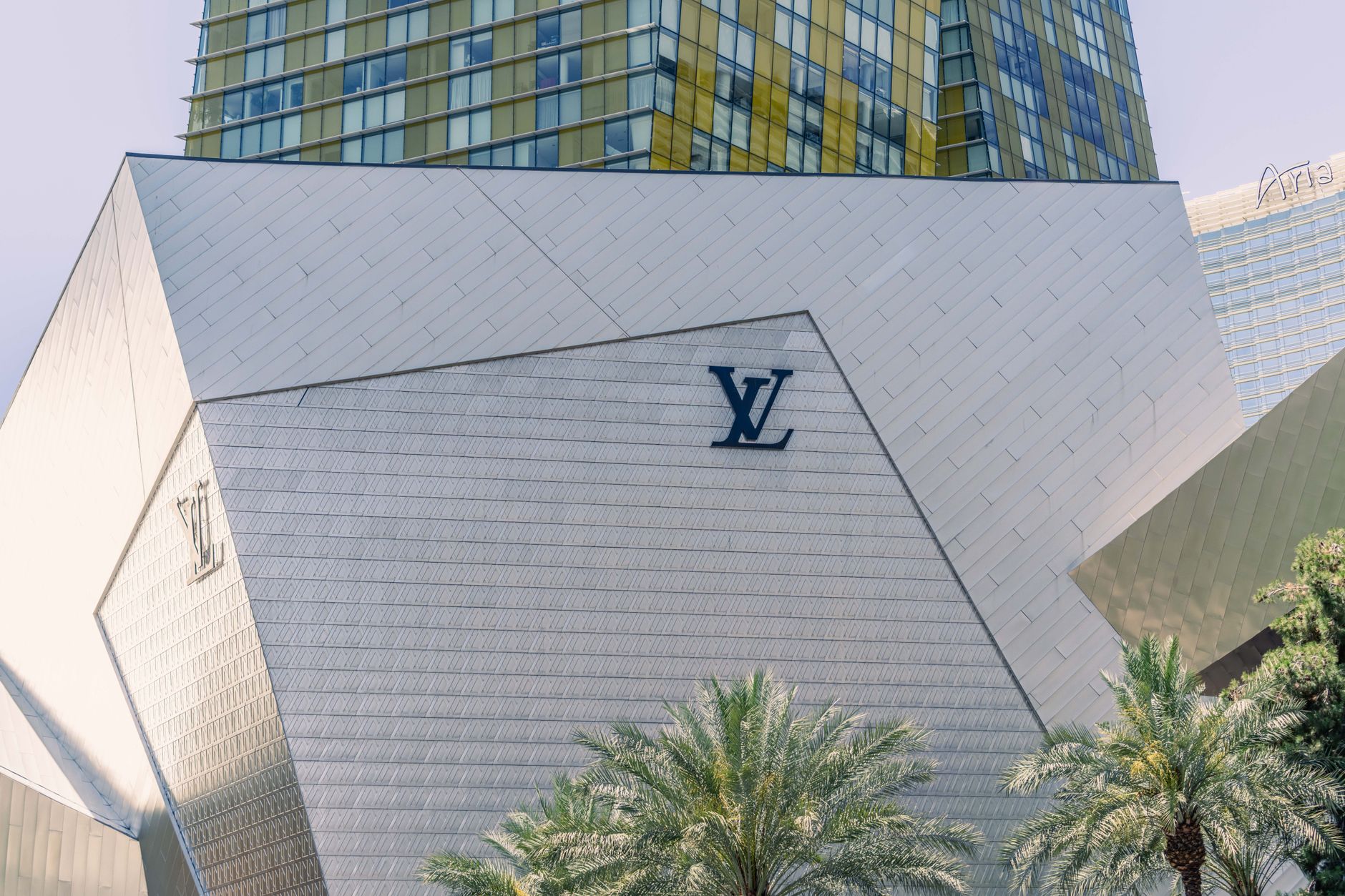
The Las Vegas Strip, once a kitschy playground for the masses, has undergone a remarkable transformation. Its neon-lit façade now gleams with a sophisticated sheen, a testament to the city’s ability to reinvent itself. As the Strip’s revitalized landscape continues to evolve, it’s clear that urban development hubs are being redefined in ways that go beyond mere aesthetics. The Strip’s makeover mantra, if you will, has become a model for cities worldwide seeking to revitalize their own districts. And what better example than the Strip’s own rebirth, which has seen it transform from a gaudy playground to a sophisticated hub of entertainment and culture? The latest news today headlines, as reported by the latest news today headlines, reveal a city that’s not only embracing innovation but also making a concerted effort to become a beacon for urban development. But what makes this transformation so remarkable, and how can other cities learn from the Strip’s rebirth? In this article, we’ll delve into the key factors driving the Strip’s resurgence and explore the lessons that can be applied to urban revival projects like the Las Vegas development projects update.
From Gaudy to Glam: The Strip's Makeover Mantra
For decades, the Las Vegas Strip relied on cheap buffets, clackety slot machines, and tacky Roman statues to lure tourists. It worked, until it didn’t. Over the last decade, a quiet revolution in brand architecture turned those four miles of Nevada asphalt into a masterclass in experiential marketing. High-end culinary hubs, sleek architectural design, and mega-budget sports partnerships have replaced the old novelty gimmicks, proving that even the most stubborn legacy destinations can pull off a high-yield luxury pivot.
- Step 1: Audit legacy brand equity to strip away outdated tropes while preserving core identity.
- Step 2: Transition physical infrastructure from high-volume kitsch to premium, photogenic architecture.
- Step 3: Secure strategic hospitality and sports partnerships aimed at high-earning demographics.
- Step 4: Align digital marketing channels to broadcast sophisticated lifestyle positioning globally.
Critics long argued that shedding mid-century vices would alienate the city’s traditional base. Yet, studying any recent Las Vegas development projects update shows a relentless push toward younger, affluent visitors who prioritize curated dining and social media moments over pure casino gaming. The obvious trade-off is pricing out budget-conscious travelers—a calculated risk, but one that has pushed average daily room rates to record highs while establishing a blueprint for modern urban resort hubs.
Designing for Experience: How Spaces Shape Sentiment
Designing for experience is an integral part of Las Vegas’ revitalized Strip, where the city’s physical space is tailored to evoke emotions and create lasting impressions. The city’s transformation is no coincidence, as careful planning and consideration have gone into crafting spaces that blend functionality with aesthetic appeal, ultimately shaping the sentiment of visitors.
- Designing solely for functionality often overlooks the role of emotional connection: A space that prioritizes efficiency above all else may miss the opportunity to create a lasting impression, whereas incorporating sensory details like lighting, soundscapes, and art can make the experience more memorable and engaging.
- Ignoring the importance of seamless navigation: A well-designed space should provide clear pathways for visitors to follow, avoiding clutter and congestion, which can lead to frustration and decreased enjoyment.
- Underestimating the impact of natural light: Ample natural light can greatly enhance the ambiance of a space, whereas poorly lit areas can give the impression of neglect or abandonment.
One notable example of a successful experience-driven space is the Caesars Palace Fountains, which combines elaborate water features, vibrant lighting, and immersive sound effects to create a captivating atmosphere that transforms the space into an experience rather than just a destination. This symbiotic relationship between design and experience is a key reason why the Strip continues to evolve and attract new visitors.
The Tech Takeover: Smart City Innovations in Vegas
The Tech Takeover: Smart City Innovations in Vegas
Vegas’ revitalized strip is now a hub for cutting-edge technology, with smart city innovations transforming the urban landscape. The city’s commitment to innovation has led to the development of cutting-edge infrastructure, from smart traffic management to high-speed internet connectivity. This trend is exemplified in the city’s extensive use of sensors and data analytics to optimize public services and improve the overall quality of life for residents.
The city’s tech-driven initiatives have not only improved public services but have also attracted a new wave of businesses and entrepreneurs. The influx of talent and resources has created a thriving ecosystem for innovation, making Las Vegas an attractive destination for startups and established companies alike. This synergy between technology and urban development is a key factor in the city’s revitalization and a testament to its position as a leader in smart city innovations.
One notable example of this synergy is the city’s ‘Smart Traffic Management’ system, which uses data analytics and AI to optimize traffic flow and reduce congestion. This system has not only improved traffic flow but has also reduced travel times and decreased emissions. By harnessing the power of data and technology, the city is redefining the urban experience and setting a new standard for smart city innovations.
The success of these initiatives has also led to increased investment in the city’s infrastructure, with a focus on sustainable and energy-efficient solutions. The city’s commitment to green technology has not only reduced its carbon footprint but has also created new economic opportunities in the clean energy sector.
As Vegas continues to push the boundaries of urban development, it’s clear that the city’s tech-driven initiatives will play a crucial role in shaping its future. By embracing innovation and technology, the city is not only improving the lives of its residents but also creating a new model for smart city development that can be replicated around the world.
Gaming the System: How Casinos Became Community Anchors
As the Las Vegas Strip continues to evolve, casinos are transforming from mere entertainment facilities to community anchors. Gone are the days of seedy underbelly and cheesy floor shows; today’s casinos are hubs of modern vitality, with sleek designs, upscale amenities, and a focus on integration with the surrounding area. The Bellagio’s majestic fountains, for instance, have become a beloved public spectacle, drawing visitors and residents alike to the Strip. Die Welt dreht sich schneller: the pace of change has accelerated, and those who adapt and innovate will thrive. This is evident in the way casinos now incorporate art installations, public parks, and even community events into their design.
Answer: Casinos serve as economic engines, generating revenue and creating jobs for local residents, while also driving the development of surrounding infrastructure and amenities. By incorporating art and public spaces, they can also contribute to the area’s cultural and social fabric. In some cases, they even function as a catalyst for gentrification, either positively or negatively, depending on how they engage with the existing community.
One notable example is the iconic Park MGM, which has reimagined the concept of the casino-resort through its playful use of light and sound. This inclusive design invites visitors to linger and explore the surrounding area, reflecting the growing trend of casinos as community focal points. Another key aspect is the increasing attention to sustainability, as seen in the LEED-certified hotels and energy-efficient systems that minimize their environmental footprint. This attention to the environment aligns with shifting consumer values and growing expectations for eco-friendly urban development.
Urban Revival 2.0: Lessons from the Las Vegas Strip's Rebirth
Las Vegas’ transformation has set the bar high for urban development around the world, but some are critiquing the social and environmental impact of this revitalization. Critics argue that the Strip’s emphasis on luxury and entertainment has led to a homogenized experience at the expense of cultural diversity and community engagement. However, many urban planners and developers are taking note of Las Vegas’ successes, particularly in innovative transportation and sustainable design.
Another notable achievement is the Strip’s adaptive re-use of older properties, such as the historic El Cortez Hotel & Casino, which has been beautifully restored and rebranded. These projects not only preserve the city’s architectural heritage but also inject new energy into the area, making it more appealing to locals and tourists alike.
Revitalizing the Future of Urban Development
As the Las Vegas Strip continues to reinvent itself, a new chapter unfolds in the story of urban development. The Strip’s makeover, driven by innovative design, technology integration, and community-focused casinos, demonstrates that even the most unlikely of places can become a beacon of progress. The success of these projects carries a valuable lesson for cities worldwide: that with a willingness to adapt and evolve, urban areas can become thriving hubs of creativity, entertainment, and commerce. The fate of the Las Vegas Strip serves as a testament to the power of revitalization, a transformation that challenges conventional wisdom and inspires us to rethink the possibilities of city building. What will be the next frontier in urban development, and will Las Vegas continue to pioneer the way forward?
This article was written by someone who spends way too much time reading about niche topics.