7 min read · Updated: 2026-10-06
If you’re planning a local campaign, knowing what Uimahallit Espoossa offers helps you tailor events, sponsorships, and experiences to fit your brand voice. This guide translates a venue’s basics into concrete marketing decisions, from audience fit to logistics. You’ll learn practical steps to evaluate the space, set measurable goals, and align messaging with venue realities.
First, assess the venue’s capacity, layout, and accessibility so your creative can scale without surprises. Second, map your target audience to the surrounding area and decide which formats—pop-up activations, workshops, or receptions—best reach them. Third, draft a simple plan that ties objectives to on-site elements like branding opportunities and guest flow.
This piece focuses on practical, no-nonsense actions you can take this week, whether you’re refining a regional campaign or testing a new event format. It emphasizes clear decisions, not exhaustive alternatives. By the end, you’ll have a concrete checklist to use before you book or partner with a venue.
- Assess the venue’s layout to shape your program and branding.
- Define audience-compatible formats and messaging that resonate locally.
- Create a concise action plan with roles, timing, and fallback options.
- Use a simple table to compare options and a checklist for on-site needs.
Understanding the venue basics
What the space offers
The first step is to catalogue the venue’s fundamental features: capacity, room shapes, and available equipment. This helps you design layouts that support your program without overcrowding. Consider testing a floor plan with a quick walk-through to spot bottlenecks. Uimahallit Espoossa
- Know each room’s size and purpose
- Map branding opportunities to each zone
- Prepare a flexible layout plan
Long-span halls support talks and demonstrations, while smaller rooms suit intimate workshops. Note the times when spaces are available and whether you can control noise levels. These details shape what marketing collateral and on-site messaging are realistic.
A concrete plan should list needs like AV gear, seating arrangements, and accessibility features so your team can act fast when plans change.
- Capture capacity and room dimensions
- Check AV and lighting options
- Confirm accessibility routes
- Identify loading and unloading points
- Verify hygiene and safety guidelines
Logistics to confirm
Logistics are the silent influencer of event quality. Clarify arrival times for vendors, load-in routes, and on-site staffing. A tight schedule prevents delays that ripple through the program.
Audience fit and messaging
Who you’re reaching
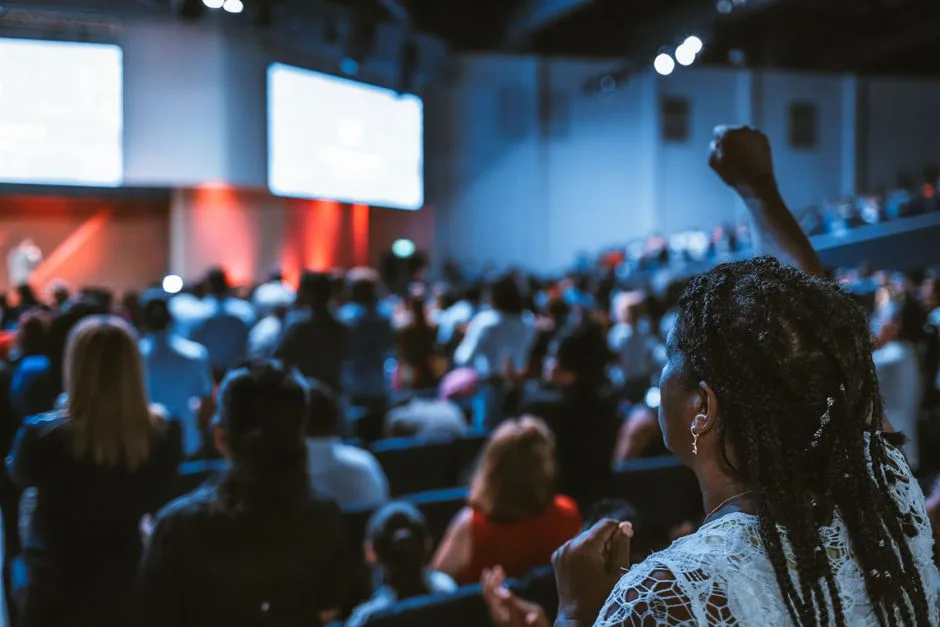
Start with the demographic you want to impact and compare it to the venue’s typical attendee profile. If the space is in a tech district, craft messages that speak to product demos and live experiments.
Messaging adaptions
Tailor your creative to the venue’s vibe and geographic context. Use language that mirrors local concerns and leverages nearby landmarks to build relevance. Avoid generic promises; emphasize practical outcomes attendees can apply.
Create reusable templates for invitations, signage, and digital posts so branding stays consistent across channels.
Always include a clear call to action and a link to more resources, ensuring you capture leads and measure engagement.
- Local relevance beats generic hype
- Use consistent branding
- Provide a clear action for attendees
Event formats and formats
Choosing formats
Select formats that align with your goals: demonstrations for product visibility, workshops for skill-building, or receptions for relationship-building. Match the format to the expected audience energy and length of stay.
- Define objective for the event
- Pick two formats that fit the objective
- Outline a 60–90 minute program
- Prepare fallback options in case of changes
- Demos for visibility
- Workshops for engagement
- Receptions for networking
| Format | Ideal use | Notes |
|---|---|---|
| Demos | Brand exposure | Best for product visibility and hands-on experiences |
| Workshops | Skill building | Requires attendee time and clear outcomes |
| Receptions | Networking | Low-pressure engagement with guests |
Scheduling and pacing
Plan a logical flow: intro, main activity, wrap-up, followed by an easy exit. Build buffer time into every transition to prevent cascading delays. Consider staggered sessions to maximize space use and reduce crowding.
Test a rough timeline with your team to identify weak points, then adjust. Ensure your plan remains adaptable if a session runs short or overruns.
Finalize a day-of timeline and share it with partners to keep everyone aligned.
Start with specific goals for the venue: brand exposure, lead capture, or product demos.
Measuring success and ROI

Defining clear objectives
Start with specific goals for the venue: brand exposure, lead capture, or product demos. Tie each goal to a measurable action, like a form fill or scheduled meeting. This makes it easier to attribute impact after the event and adjust future campaigns.
Plan a simple attribution model early: assign contacts to the event channel and track how they move through the funnel. Use baseline measurements from prior activities to understand lift. A clear objective set helps justify the spend to stakeholders.
Create a baseline before you book: compare foot traffic, engagement, and inquiries from similar events. This gives you a gauge for what success looks like. Align every KPI with the buyer journey so you can tell a cohesive story later.
- Set 2-3 primary KPIs per campaign
- Use post-event forms to capture intent
- Track follow-up activity within 7 days
- Compare against a pre-defined baseline
- Prepare a post-event synthesis for leadership
Partnering and procurement options
Sourcing venue partners
Identify venues that align with your product and target audience. Evaluate accessibility, facilities, and on-site support for demos or live streaming. A well-chosen venue reduces friction for attendees and improves experience.
Engage partners who offer bundled services, such as AV, catering, and staffing, to simplify procurement. Compare packages rather than tile-by-t tile pricing to understand total cost. Clear SLAs help avoid surprises on event day.
Create a vendor checklist and request structured proposals with timelines, capabilities, and service-level expectations. This keeps procurement transparent and speeds decision-making.
- Check for on-site technical support
- Ask about flexible cancellation terms
- Request sample service level agreements
- Review lead times and delivery windows
- Confirm accessibility and safety protocols
Pitfalls to avoid
Budget creep and scope drift
Unplanned add-ons can inflate costs quickly. Start with a realistic line-by-line budget and build in a 10–15% contingency for unexpected needs. This keeps your campaign financially sustainable.
Scope drift happens when objectives expand mid-project. Maintain a tight brief, and escalate changes through a formal amendment with stakeholders. A disciplined approach protects your ROI.
Documented approvals keep the project on track: keep decisions in writing and reference them when approvals slow down progress. Building a trail prevents confusion and rework later.
- Set a hard cap on ancillary spends
- Require written scope changes
- Track approvals daily
- Review budget weekly
- Have a contingency plan
Practical tips for smooth execution
Operational rehearsals
Run a dry run a few days before the event to verify routing, staffing, and technology. A rehearsal helps catch timing gaps and ensure attendees can experience key demos without delays. This reduces stress on the event day.
Assign clear roles and a single point of contact for each function, such as registration, speakers, and technical support. A well-defined chain of command speeds decisions during crunch moments.
Capture a quick post-rehearsal debrief to lock in improvements and share the learnings with the team.
Establish a simple on-site measurement method, like a sign-up form or QR code scan, to track engagement in real time. This data helps you adjust pacing during the day.
- Create a 60-minute event timeline
- Prepare a go-live checklist
- Designate a lead for on-site issues
- Test all AV and streaming gear
- Set up immediate feedback channels
Frequently asked questions
How can I prove ROI from a single event?
Most marketers build a simple ROI model that combines event-driven pipeline, incremental awareness, and post-event engagement. The model should show how activity at the venue connects to leads and deals through a defined attribution window. Use benchmarks from prior campaigns for context.
What procurement terms matter most?
Focus on service-level agreements that cover schedule adherence, on-site support, and data handling. Clear escalation paths prevent delays. Ensure cancellation terms are fair to avoid penalties for unexpected changes.
How should I handle last-minute changes?
Maintain a formal channel for changes and keep a revised plan circulated quickly. Prioritize changes by impact on guest experience and critical path tasks. Document adjustments to prevent scope creep.
What counts as a successful vendor partnership?
A successful partnership delivers dependable support, transparent pricing, and proactive communication. The vendor should anticipate needs, adapt to constraints, and provide clear post-event reporting. Consistency across events builds trust over time.
Next steps and planning
The practical route to a smooth Uimahallit Espoossa event starts with clear objectives and disciplined procurement. Prepare a simple measurement plan that links venue activity to lead quality and pipeline momentum, then lock in partners with explicit SLAs. This keeps your campaign coherent from start to finish.
Use the lessons from this guide to outline a repeatable process for future events, with defined owners and a short post-event report that feeds back into your marketing calendar. The right steps reduce risk and boost confidence in your event programs.
Readers interested in this subject may also want to explore Espoon paikalliset muutokset: what readers should for additional perspectives.
You may also find Ajankohtaista Pohjois-Tapiolasta: markkinoinnissa käytännön hyötyä helpful as it covers related aspects of this subject.
You may also find Espooseen keskittyvä uutisportaali: gerektiren bilgiye hızlı helpful as it covers related aspects of this subject.