
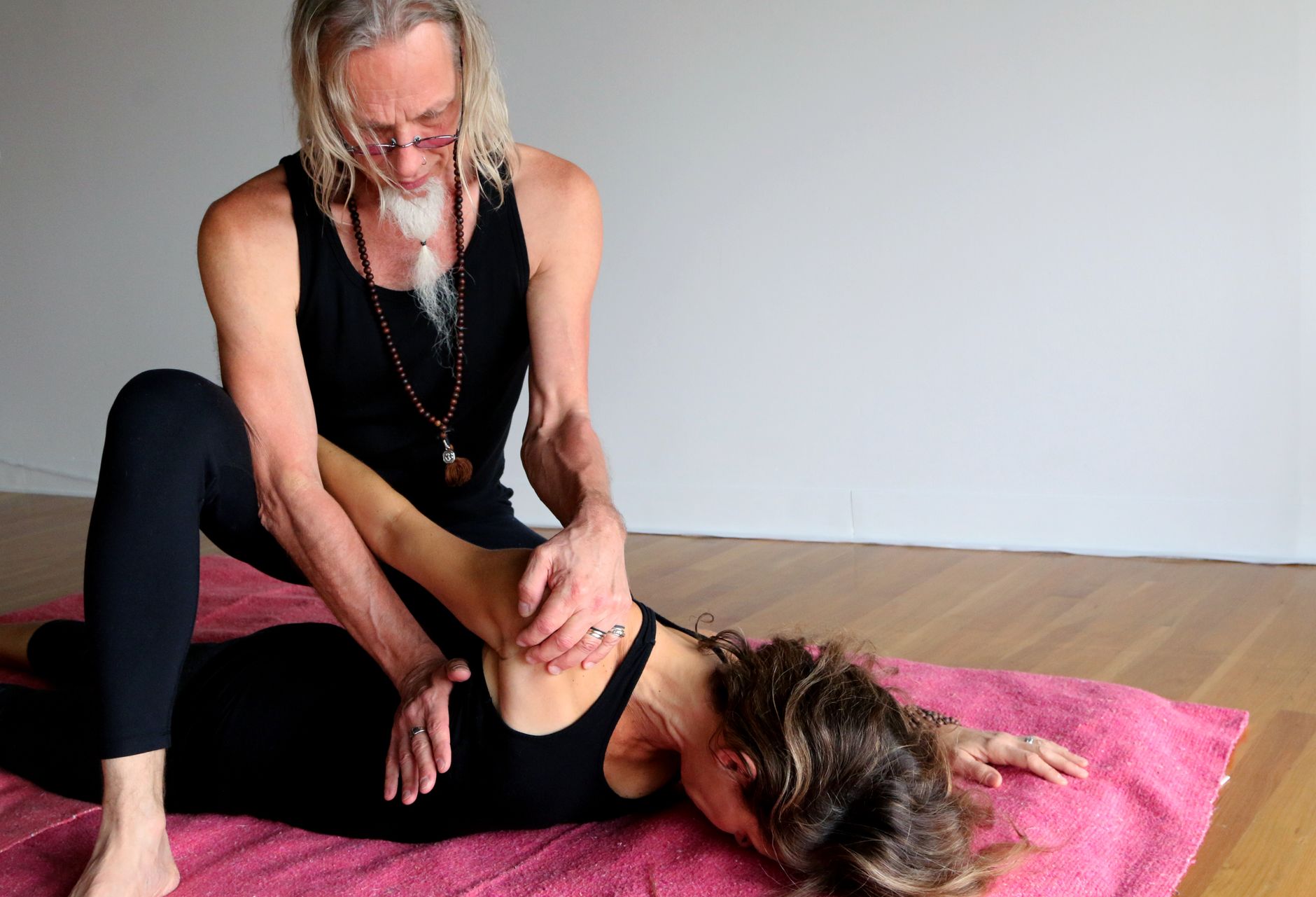
Have you ever found yourself lying awake at night, staring at the ceiling, and wondering why your sleep cycle seems to be stuck in perpetual loop mode? You’re not alone. Millions of people around the world struggle with sleep disorders, and it’s not just because of the demands of modern life. The truth is, our bodies have an incredible capacity to self-regulate, but sometimes, that system can get a little…mixed up. That’s where traditional Eastern bodywork comes in. Techniques like acupuncture, Ayurvedic massage, and even some of the best asian massage techniques for relaxation can help realign your body’s internal clock and reset your sleep-wake cycle from the ground up. But how does it work? And what are the underlying mechanisms that make these ancient practices so effective? In this article, we’ll explore the fascinating world of traditional Eastern bodywork and uncover the secrets behind its remarkable ability to reboot your sleep cycle. From the intricate dance of hormones and neurotransmitters to the subtle yet powerful effects of touch on our nervous system, we’ll delve into the science behind these time-tested techniques and show you how to harness their power for a deeper, more restful night’s sleep. So, are you ready to tune in to your body’s natural rhythms and find the sleep you deserve?
Tuning In: Understanding the Science Behind Our Sleep-Wake Cycles
When it comes to regulating our sleep-wake cycles, many of us rely on melatonin supplements to get the job done. But what if we told you there’s more to it than just one hormone? Research suggests that traditional Eastern bodywork – including practices like acupuncture, tai chi, and qigong – can have a profound impact on our sleep patterns. By tuning in to the intricacies of our body’s internal rhythms, these practices can help us fall asleep faster, sleep more soundly, and wake up feeling refreshed and revitalized. But what’s behind this phenomenon, and how do these practices work their magic?
Answer: Look out for symptoms like excessive daytime fatigue, difficulty concentrating, and mood swings. If left unchecked, a disrupted sleep-wake cycle can increase your risk of chronic diseases like diabetes, hypertension, and obesity. By being aware of these warning signs, you can take proactive steps to address the issue and improve your overall well-being.
One key concept to grasp is the idea of ‘circadian rhythm,’ or our internal body clock. This natural cycle regulates our sleep-wake patterns, influencing the release of hormones like melatonin and cortisol. Research has shown that Eastern bodywork can help regulate this cycle by stimulating specific points on the body, which in turn triggers a cascade of physiological responses that promote relaxation and sleep. For instance, certain pressure points on the soles of the feet have been linked to the pineal gland, responsible for producing melatonin. By targeting these points through techniques like reflexology, practitioners can help stimulate the body’s natural production of this sleep hormone, leading to a more restful night’s sleep.
From Acupuncture to Ayurveda: Exploring Traditional Eastern Bodywork Modalities
From Acupuncture to Ayurveda: Exploring Traditional Eastern Bodywork Modalities
In the realm of traditional Eastern bodywork, several modalities have been employed to promote better sleep and overall well-being. One such modality is acupuncture, which involves the insertion of fine needles into specific points on the body to stimulate the flow of ‘qi’ or life energy. This ancient practice has been practiced for centuries, with roots in traditional Chinese medicine.
Another modality is Ayurveda, an ancient Indian practice that emphasizes the interconnectedness of the body, mind, and spirit. Ayurvedic practitioners believe that each individual has a unique constitution, or ‘prakriti,’ which is influenced by their diet, lifestyle, and environment. By identifying and addressing imbalances in one’s prakriti, individuals can restore balance and promote better sleep.
For instance, the concept of ‘dosha’ in Ayurveda has been applied to Western fitness and nutrition practices, highlighting the importance of individualized approaches to health and wellness. Similarly, the principles of acupuncture have been employed in modern pain management and stress relief therapies.
However, it’s worth noting that these modalities are not a replacement for conventional medical treatments. Rather, they can be used in conjunction with other therapies to promote overall well-being and improve sleep quality.
The Power of Touch: How Massage and Manual Therapy Can Recharge Your Sleep
For many, sleep is a distant memory, a luxury reserved for the privileged few. However, there’s a growing body of evidence suggesting that traditional Eastern bodywork can help reset the body’s internal clock and improve the quality of sleep. One of the most effective ways to do this is through massage and manual therapy.
- Step 1: Find a licensed massage therapist who specializes in techniques like shiatsu or tuina, which are specifically designed to target the body’s energy meridians and promote relaxation.
- Step 2: During the massage, focus on areas that correspond to the body’s sleep and relaxation centers, such as the soles of the feet, the palms of the hands, and the base of the neck.
- Step 3: Regularly schedule massages, ideally 1-2 times a week, to help regulate the body’s natural sleep-wake cycle.
- Step 4: Combine massage with other relaxation techniques, such as meditation or deep breathing, to amplify its effects.
But how does it work? Essentially, by releasing tension in the muscles and calming the nervous system, massage therapy can help signal to the brain that it’s time to wind down. For example, research has shown that certain types of massage can reduce cortisol levels and increase melatonin production, two key indicators of a healthy sleep-wake cycle. By tuning into the body’s natural rhythms, we can overcome the disruption caused by modern life and reclaim our ability to fall asleep easily and sleep soundly through the night, thereby improving our overall health and well-being – আপনার স্বাস্থ্য ও সুখের জন্য, in fact, our very sense of life and purpose.
Beyond the Body: Harnessing the Mind-Body Connection for Deep Rest
As we explore the realm of traditional Eastern bodywork for sleep, it’s essential to acknowledge the interconnectedness of the mind and body. The mind-body connection is a vital aspect of our overall well-being, and harnessing it can be a game-changer for deep rest. By incorporating practices that cultivate this connection, individuals can experience improved sleep quality and duration. In fact, research suggests that individuals who practice mindfulness and meditation tend to have better sleep habits and reduced stress levels. The evolution of technology has made it easier to find resources on how to manage stress and improve sleep quality, such as watching the Evolution of Technology: How video. However, it’s also crucial to understand the specific techniques that can be applied in conjunction with technology to achieve optimal results. For instance, the Asian massage guide for better sleep can provide valuable insights into the physical and mental benefits of massage therapy.
By incorporating these practices into one’s daily routine, individuals can experience a significant improvement in their sleep quality and duration. This is particularly relevant for individuals who struggle with insomnia or other sleep disorders. In addition, research has shown that regular practice of these techniques can lead to a reduction in stress levels and an overall improvement in mental health. As a result, it’s not uncommon for individuals to experience a sense of calm and relaxation that extends beyond their sleep routine. This is a testament to the profound impact that the mind-body connection can have on our overall well-being.
Finding Harmony: Integrating Traditional Eastern Bodywork into Your Modern Lifestyle
As we’ve discussed, the traditional Eastern bodywork practices, such as acupuncture and tai chi, have been gaining popularity worldwide for their holistic approach to health and wellness. But what about those who can’t commit to a rigorous daily routine? Don’t worry, there are ways to integrate these practices into your busy lifestyle. For instance, a 10-minute daily session of gentle stretching or breathing exercises can be just as beneficial as a lengthy massage session. The Future of Automotive Technology: What the automotive industry can teach us about adaptability in wellness practices.
| Practice | Benefits | Duration |
|---|---|---|
| Qigong | Improves balance and circulation | 20-30 minutes |
| Tai Chi | Enhances flexibility and mental clarity | 30-45 minutes |
| Acupressure | Reduces stress and promotes relaxation | 10-15 minutes |
While traditional Eastern bodywork practices can be intimidating, especially for beginners, they’re not the only game in town. Integrating these practices into your daily routine can have a profound impact on your overall health and sleep quality. By making a few simple changes, such as taking short breaks throughout the day or incorporating gentle stretching exercises, you can reap the benefits of traditional Eastern bodywork without sacrificing your busy lifestyle. For those struggling with sleep, a simple Asian massage guide for better sleep can be a great starting point.
Resetting the Cycle
For those who have struggled with sleep for what feels like an eternity, the prospect of a restful night’s sleep is a beacon of hope. Beyond Melatonin, the latest research is revealing the profound impact that traditional Eastern bodywork can have on our sleep-wake cycles. By tuning in to the subtle energies that govern our bodies and minds, we can break free from the confines of a melatonin-dependent sleep routine. The integration of modalities like acupuncture, Ayurveda, and massage is not just a novelty – it’s a key to unlocking a deeper understanding of our bodily rhythms and entraining our sleep patterns to a more natural, harmonious flow. Whether it’s the gentle pressure of a Thai massage or the meditative focus of qigong practice, the results are clear: a more restful, rejuvenated you. What’s the true cost of counting on melatonin alone? Is it time to wake up to the ancient wisdom of traditional Eastern bodywork and start sleeping like a baby again? Only when we truly listen to our bodies and honor their innate rhythms can we hope to rediscover the sweet sleep we so desperately crave.
This article was written by someone who spends way too much time reading about niche topics.
If you enjoyed this article, we recommend checking out Doğru Vücut Terapisi: Asya Uyruklarının Dinlendiriciynam for further reading.
Readers interested in this subject may also want to explore Asya'nın En İyi Işık Tedavi Aletleri: for additional perspectives.
If you enjoyed this article, we recommend checking out Warm Up with the Secret Sips for further reading.