
8 min read · Updated: 2026-10-07
Readers come to this guide seeking clear steps to use sports storytelling from London in marketing. This checklist translates what makes these stories compelling into practical actions for campaigns, content planning, and media outreach. Each paragraph builds a concrete maneuver you can apply today, without fluff.
The first steps focus on defining why a London sports story matters to your audience, what they care about, and how to frame it for different channels. Expect concrete examples, not generic advice, from initial concept to distribution plan. The aim is a repeatable process that sharpens your storytelling toolkit.
By the end, you’ll see a path from research to execution, with checkable items and ready-to-use templates. This section ensures you start with a solid premise, then move through to measures that matter for engagement and conversions. Each paragraph delivers a distinct, actionable takeaway.
- Use a solid audience-first approach to frame London sports stories for marketing outcomes.
- Mix formats and channels to match audience preferences and platform norms.
- Measure impact with clear KPIs and quick feedback loops to iterate.
- Keep content grounded in local relevance and credible sources.
- Foundations for London sports stories
- Choosing reliable sources and formats
- Linking stories to brand goals
- Distribution and optimization
- Measurement and metrics
- Creative formats for sports stories
- Long-form vs short-form balance
- Global vs local marketing with London stories
- Frequently asked questions
- Conclusion
Foundations for London sports stories
Audience intent and angles
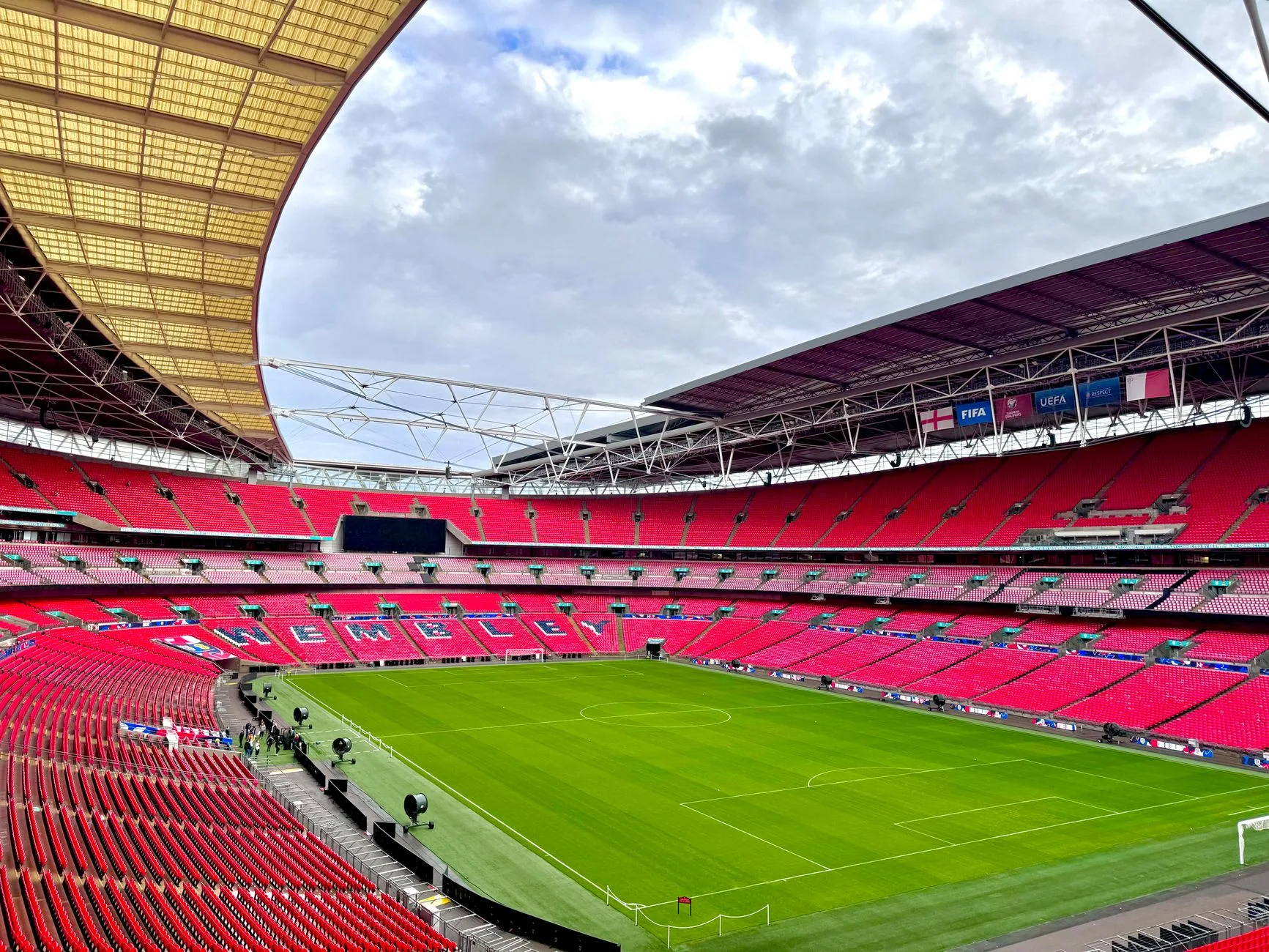
Identify what your audience seeks in sports stories: inspiration, local pride, or practical insights. Use a real example to illustrate how angles shift engagement on social feeds and emails. This helps you decide what to emphasize in headlines and visuals. Sports stories from London help anchor campaigns in real, local events and culture.
Translate that interest into a value proposition for your brand—showing how the story informs users or solves a problem. Keep the angle concrete, such as a lesson in teamwork or a local hero’s resilience, not abstract ideas.
Test different hooks quickly using micro-campaigns or A/B tests to see which angle resonates best with your core segments. The goal is to learn which angle drives longer time on page and more shares.
- Define three audience needs you want to satisfy
- Choose one marketing channel per angle
- Create a one-line value prop for the story
- Run two quick tests to compare angles
- Summarize results in a one-page brief
Choosing reliable sources and formats
Source quality and formats
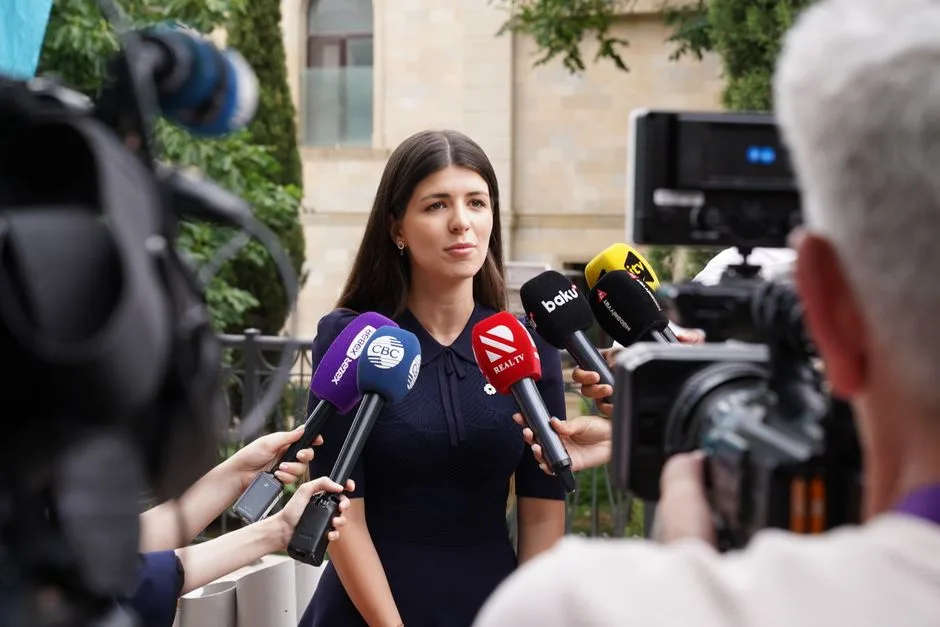
Quality sources establish credibility. Prefer local clubs, league reports, and verified commentary over anonymous social posts. This strengthens your content and downstream SEO signals. Politics in London links can broaden discussion around governance as a marketing angle.
- List three trusted source types you will consult for London sports stories.
- Document a minimal attribution schema for every piece.
Format variety matters: short video clips, concise explainers, and long-form profiles perform differently across channels. Plan a mix that aligns with audience preferences and platform norms.
Create a content cadence that mirrors the rhythm of sports seasons to keep relevance high without overexposure.
- Verify sources before attribution
- Mix formats to match channel strengths
- Plan seasonal content cadence
- Keep a lightweight style guide for consistency
Linking stories to brand goals
Brand alignment and CTA choice
Every story should tie back to a brand objective, whether it is awareness, consideration, or conversion. Map each narrative to a specific KPI and a relevant CTA. London politics articles offer depth on public policy that can inform consumer-facing campaigns.
Use the London setting to create local resonance, which can improve trust and recall. Local angles often outperform generic global narratives in community-driven campaigns.
Craft CTAs that feel natural within the story, such as signing up for updates on local events or downloading a case study that reveals outcomes tied to the sport narrative.
- Align story outcomes with 2-3 brand KPIs
- Prefer CTAs that fit the narrative flow
- Leverage local context for higher engagement
- Track CTA performance with simple metrics
| Format | Pros | Cons |
|---|---|---|
| Long-form profiles | Deep storytelling, authority | Requires more time and space |
| Short-form posts | High reach, quick wins | Limited depth, harder to build trust |
| Video explainers | Engaging and clear | Production needs exist |
Choose distribution channels based on where your audience spends time and how they consume content.
Distribution and optimization
Channel tactics and testing
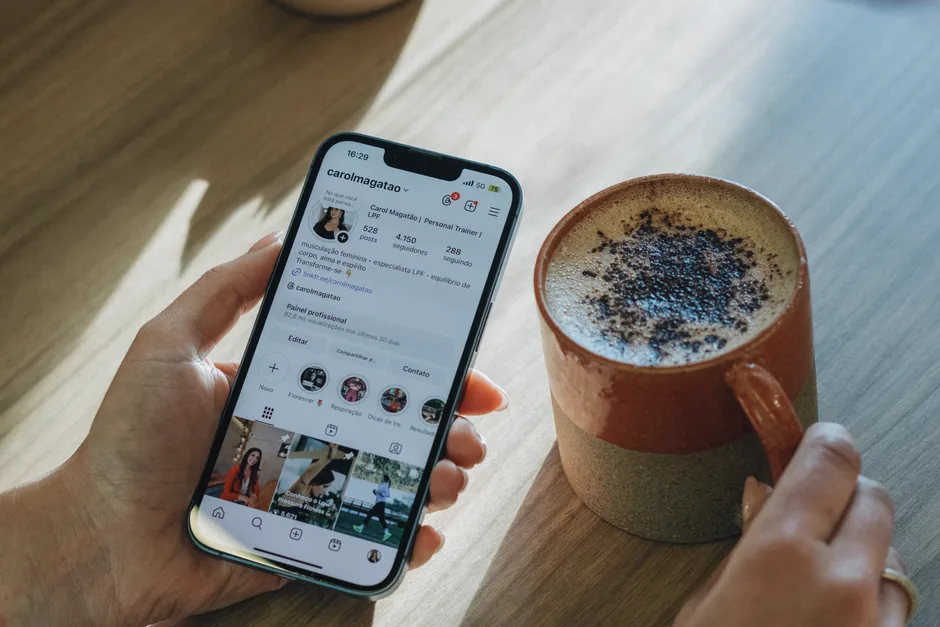
Choose distribution channels based on where your audience spends time and how they consume content. A combination of short-form video and quick-read posts often yields broad reach.
Use SEO-friendly headlines and structured data to improve visibility in search results when the London angle is strong. This boosts organic discovery beyond social.
Review performance data regularly and adjust headlines, visuals, and posting times to maintain relevance across campaigns.
- Use 2-3 channels per story
- Optimize for SEO with local signals
- Schedule regular performance reviews
- Iterate quickly based on data
Measurement and metrics
Quantitative indicators that matter
Begin with a clear KPI map: define reach, engagement, and conversion goals tied to brand objectives. Describe how a London sports story can drive awareness for a local product or event, then set concrete targets like share of voice in the city or engagement rates on a campaign post. Use simple benchmarks to judge success, and adjust based on performance data.
- Define clear KPIs tied to brand goals
- Use London-specific context to ground metrics
- Iterate quickly based on what data shows
Frame analytics around real customer actions, not vanity metrics. Track how many readers view sponsor references or click to a landing page, and compare results across platforms to see where the story resonates for London audiences. Treat each story as a test, then scale what works.
Finally, translate numbers into decisions. If engagement dips, try a shorter format or a different angle tied to a local team or venue. Always link metrics back to brand goals, and document learnings for future stories.
- Set a city-specific goal (e.g., increase local brand searches)
- Track story engagement by platform
- Monitor conversion events after the story
- Compare performance to a baseline for London readers
- Iterate formats based on what performs best
Creative formats for sports stories

Varied storytelling formats
Use a mix of formats to match reader preferences: quick profiles of local athletes, behind-the-scenes looks at training facilities, and real-time event briefs when games happen in London. Concrete examples help readers picture the scene and see practical value for your brand. The approach should feel authentic, not scripted.
Leverage visual storytelling with captions and pull quotes that emphasize local culture around the sport. A London setting—parks, stadiums, transport routes—adds texture, making the story relevant to nearby audiences. This is where brands can insert context without shouting sponsorship.
End with a practical call to action for marketers, such as using a London event as a content hook for a product launch or community partnership. Choose formats that translate to earned media, like local newsletters or event recaps. Always tie the format to a measurable outcome in your plan.
- Profile local athletes
- Behind-the-scenes tours
- Event briefs and live updates
- Visual-first storytelling
- Earned-media friendly formats
Long-form vs short-form balance
Balancing depth and speed
Long-form pieces provide context, but readers skim. Start with the core idea in 2 sentences, then expand with a short-form build that includes three concrete details about the London setting. This structure helps marketers deliver value without burying the reader in fluff.
Use long-form when the story connects brand values to a London moment—like a city-wide charity match or a club milestone. Pair it with a short-form teaser that drives traffic to the full piece, ensuring both formats reinforce the same message.
End with an actionable takeaway for teams: reserve a single medium to own a specific London angle, and repackage it for multiple platforms to maximize reach and coherence.
- Start with a strong lead
- Provide three concrete London details
- Offer a concise CTA to full story
- Repurpose into social snippets
Global vs local marketing with London stories

Contextual relevance over reach
Local London context makes sports stories tangible for nearby audiences and helps a global brand feel grounded. Demonstrate relevance by showing how a London event intersects with broader marketing themes, such as community impact or urban identity. The aim is to be locally credible while keeping global polish.
- ☐ Define local narrative clearly
- ☐ Map to global goals
- ☐ Plan localization steps
- ☐ Track cross-market performance
Use London as a real-world case study that informs international campaigns. Highlight scalable lessons like audience segmentation, channel mix, and timing that can translate to other markets without forcing a generic template. The result should be practical, not aspirational.
Close with a clear plan for teams: define the local narrative, map it to broader brand objectives, and outline adaptation steps for other regions. This ensures consistency without sacrificing local resonance.
- Anchor campaigns in the city’s culture
- Translate local insights to global relevance
- Schedule localization steps early
- Measure translation effectiveness
Frequently asked questions
How should a London story be sourced?
Source from credible local partners, sports venues, and community organizations to ensure accuracy. Verify details with multiple sources to avoid misrepresentations about teams or events. Prioritize transparency about sponsorship and affiliations to maintain trust with readers.
What formats work best for London-based stories?
Mix short-form updates with longer features. Use visuals, pull quotes, and city context to create a sense of place. Align formats with where your audience consumes content, and repurpose for social, email, and site features.
How do you measure success beyond clicks?
Track downstream actions such as newsletter signups, event registrations, or product page visits linked to the story. Compare results with a local baseline and adjust the approach based on what insights emerge.
When should you localize for other markets?
When the London angle demonstrates universal applicability—city branding, venue partnerships, or community initiatives. Prepare a localization kit with core messaging and adaptable visuals to maintain consistency across regions.
Conclusion
The London sports story is a practical asset when tied to concrete brand goals and local context. Treat it as an ongoing program rather than a one-off piece, and measure results against defined metrics to guide future work. A repeatable process helps teams scale successful angles to other markets.
Next, build a simple calendar that slots London moments with your product or service milestones, ensuring a steady stream of relevant, locally grounded content. This approach keeps the brand authentic in public conversations and supports long-term marketing objectives.